

Ensuring fire safety at facilities of any type—from private homes to large industrial enterprises—is not merely a matter of complying with regulatory requirements. It is a critical step in protecting human lives and safeguarding valuable assets. When planning a fire protection solution, property owners often face the challenge of selecting the most suitable option from the wide range of systems available on today’s market.
Efficient Sprinkler Fire Suppression Systems: Proven Reliability
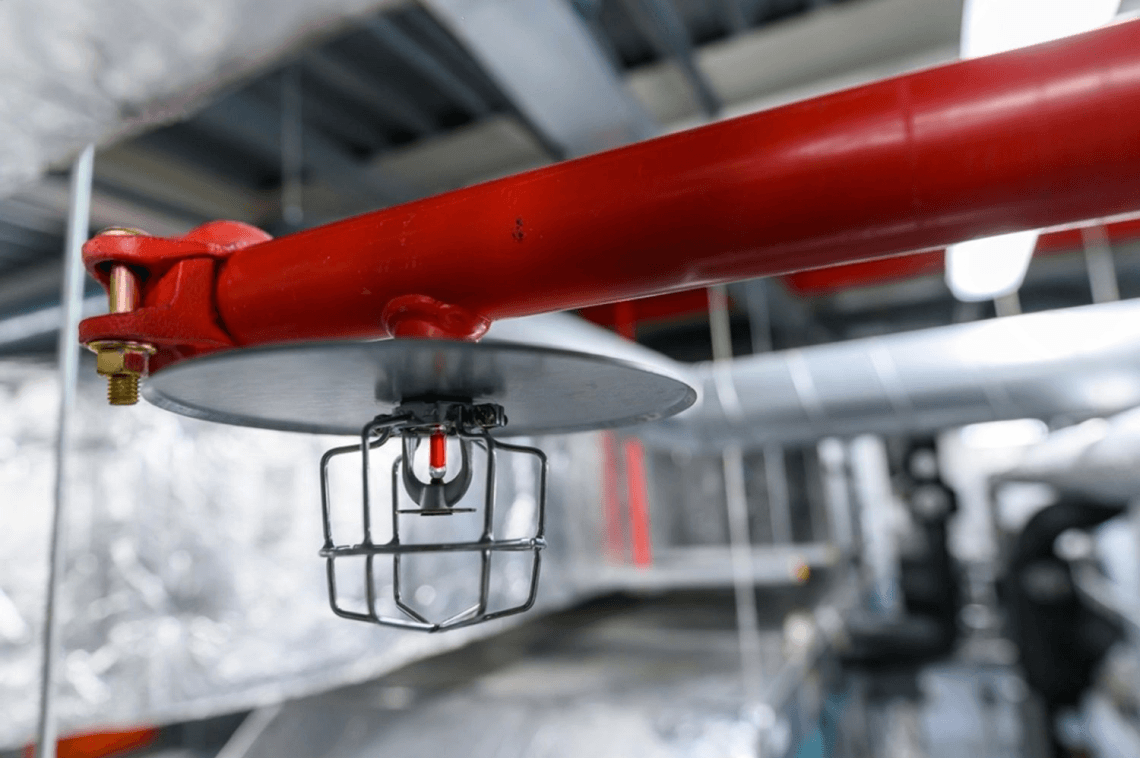
One of the most common solutions for office buildings, shopping centers, and warehouses is a sprinkler fire suppression system. Its operating principle is based on controlling a fire at its source using water or a water-based solution. The system consists of specially designed sprinkler heads equipped with heat-sensitive elements. Under normal conditions, these sprinklers remain sealed. However, when the ambient temperature exceeds a predetermined threshold, the glass bulb or fusible link activates, releasing water directly over the source of heat.
The key advantage of this approach is its autonomy. There is no need to wait for personnel intervention or manual activation—the system responds automatically and precisely where the fire begins. This targeted response minimizes water consumption while reducing the risk of water damage to surrounding areas.
Deluge Fire Suppression Systems for Water Curtain Protection
Unlike sprinkler systems, a deluge fire suppression system operates on a different principle. Its nozzles are permanently open and do not contain heat-sensitive elements. Activation occurs simultaneously across an entire protected zone or a designated group of nozzles after receiving a signal from smoke or heat detectors. These systems are often used to create powerful water curtains that prevent the spread of fire between compartments or protect high-risk industrial processes.
This solution is particularly effective in environments where fire can spread rapidly. A deluge system quickly saturates the protected area with water, helping to reduce oxygen availability, lower surrounding temperatures, and prevent structural failure.
Specialized Gas Fire Suppression Systems and Their Advantages
In environments where water could cause greater damage than fire itself, gas fire suppression systems provide an ideal solution. Typical applications include server rooms, archives containing valuable documents, libraries, and museum collections. Modern clean agents, such as halocarbon gases and inert gas mixtures, extinguish fires by reducing oxygen levels or interrupting the chemical combustion process.
The primary benefit of gas-based suppression is cleanliness. After discharge, no water, residue, or powder remains in the protected area. Equipment can continue operating, documents stay intact, and sensitive electronics are not exposed to moisture-related damage.
Factors Affecting the Cost of a Fire Suppression System
For many clients, budget considerations are among the most important aspects of a project. However, determining the exact cost of a fire suppression system without a detailed technical specification is nearly impossible. Project pricing depends on numerous factors, including the size of the facility, the selected equipment, installation complexity, the number of detectors required, and pumping system specifications. Investing in professional design is essential, as a well-engineered solution ensures reliable performance during critical situations.
Comprehensive service packages that include equipment supply, installation, and ongoing maintenance from a single provider are often the most practical option. This approach helps optimize costs while ensuring full accountability for the performance of the entire system.
Design and Installation: The Foundation of Fire Safety
Any modern automatic fire suppression system is a sophisticated engineering solution that requires proper design and configuration. Purchasing equipment alone is not enough. Hydraulic calculations, piping layouts, and automation programming must all be carefully planned to ensure dependable operation. Automatic fire suppression systems should also be integrated with the building’s broader safety infrastructure, including ventilation controls, smoke extraction systems, and emergency notification systems.
Selecting the right fire protection solution requires balancing budget considerations, facility-specific requirements, and regulatory compliance. It is equally important to remember that all fire suppression systems require regular inspection and maintenance. Even the most advanced equipment can become ineffective if neglected—pumps may corrode, and detectors can lose sensitivity due to dust accumulation.
We recommend planning long-term maintenance costs from the outset, as fire safety is an investment that protects not only property but also human life. Choose experienced contractors with the appropriate licenses, a proven track record, and positive client references. A professional approach will provide confidence that your facility remains protected under any circumstances.